
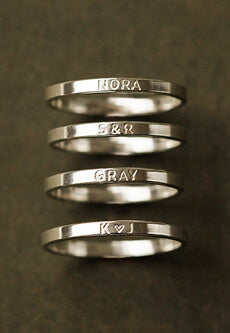
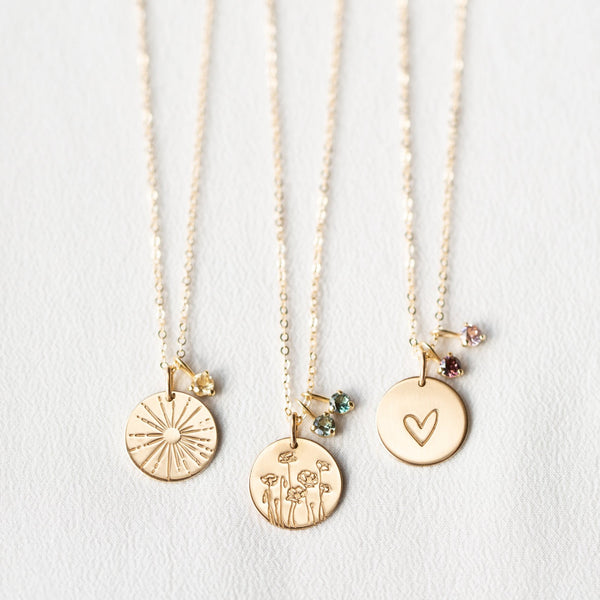
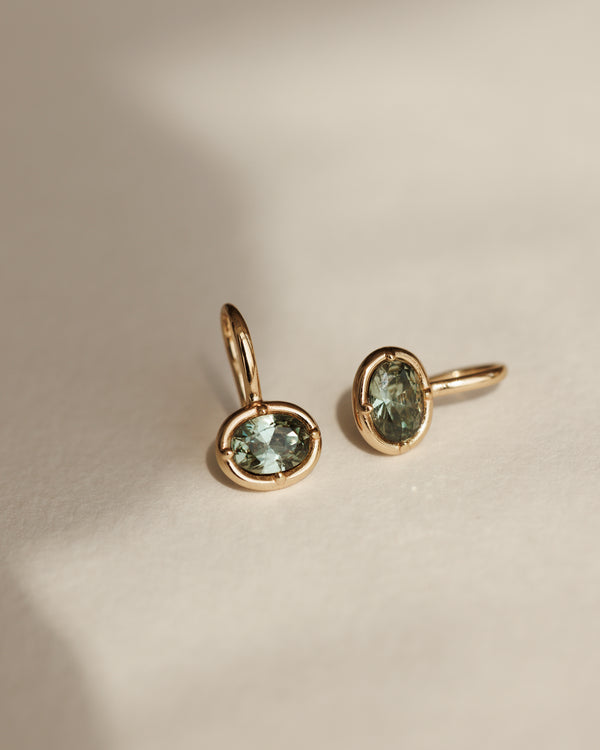
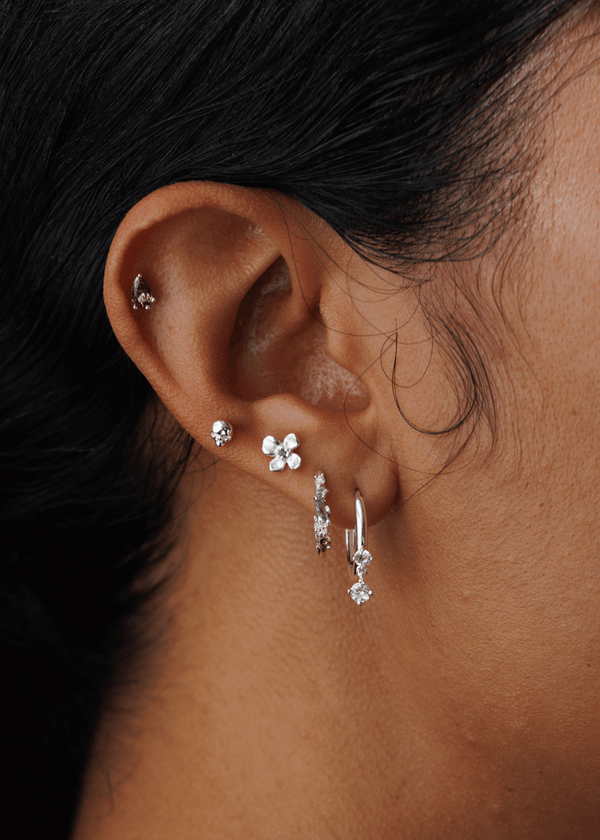
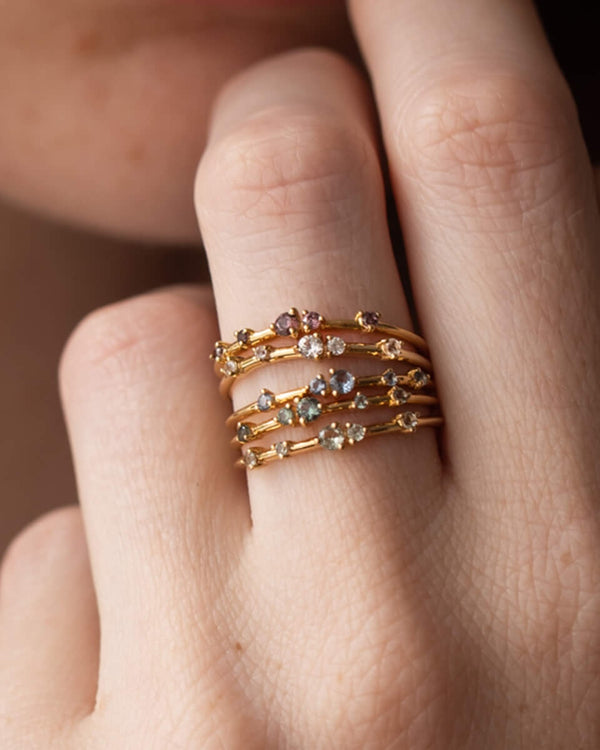
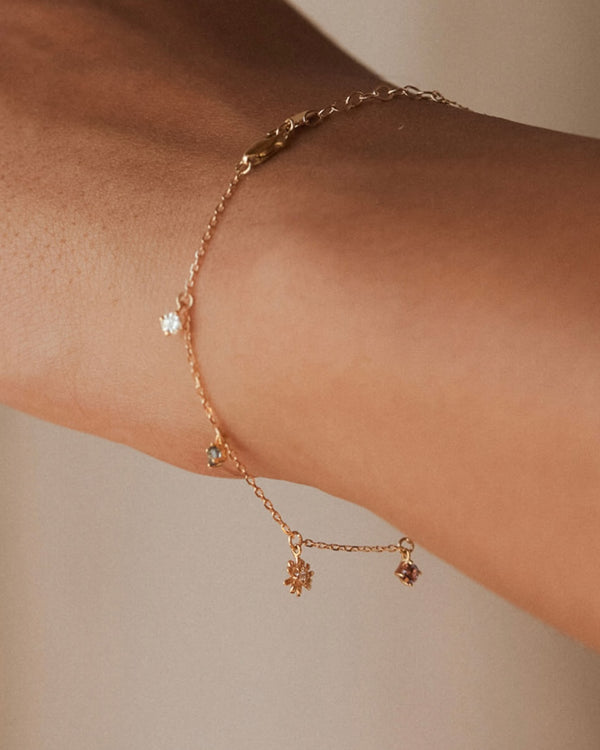


Jewelry can be found in many types of metals, styles, and designs. The base metals of a piece of jewelry impact its durability, price, and beauty. At GLDN, we offer everyday pieces and fine jewelry in a variety of metals. Understanding each metal type can help you choose the perfect piece for your daily rotation.
Common Jewelry Metals

For everyday jewelry that can keep up with the pace of life, consider jewelry metals like gold, platinum, sterling silver, vermeil, and gold fill. While these aren’t the only metals out there, they’re some of the more common options for everyday and fine jewelry. They’re crafted for frequent wear and they fit many different designs.
At GLDN, we offer pieces in solid gold, sterling silver, vermeil, or gold fill metals. These range from demi-fine to precious metals, each bringing benefits for your jewelry. They fit different styles and budgets, so there’s a shining option for any look.
Solid Gold
Solid yellow gold is one of the most classic jewelry metal types, with people wearing this metal for thousands of years. Because solid 24k gold is too soft for everyday jewelry, it’s often mixed with other metals like copper to improve its durability and affordability (this is called alloying).

When gold is mixed with more metals, its purity drops, but its strength for frequent wear improves. Gold’s purity is represented by the “k” stamp you’ll see on solid gold jewelry. The number in front of the k indicates the karat, aka the fineness of the gold. This represents how much gold is in the jewelry alongside other metals. 10k gold is approximately 41% pure gold, and 14k gold jewelry is about 58% pure gold. These balances make 14k and 10k gold jewelry durable for frequent wear but stylish with the classic shine that makes yellow gold a timeless choice.
Sterling Silver
Our name may be GLDN, but we’re still big fans of sterling silver jewelry. This metal brings shine that complements everything from birthstones to pearls. It’s popular for home decor, silverware, coins, and jewelry (of course!).

Just like gold, silver is an alloy of a pure metal that’s mixed with other metals like copper to strengthen it. 925 sterling silver is a common mixture of this metal that combines 92.5% pure silver with metals like copper to improve its strength. A 925 stamp indicates that your jewelry is made with real sterling silver.
Vermeil
Shining vermeil jewelry combines the best of sterling silver with the color of gold. For this jewelry, our designers take a sterling silver base and coat it with a layer of gold for the look of solid gold with a more affordable price point. This gives vermeil pieces the radiance of gold with a price that’s perfect for stacking up your style. Best yet, vermeil’s gold is 5x thicker than standard gold plating, so it makes these pieces a durable choice.
Though it’s especially popular today, vermeil jewelry has been around for centuries. There are legal requirements that help reinforce vermeil as a more premium option over just gold plating, as a piece can’t be called vermeil unless it has a thicker layer of real gold over solid sterling silver.
Gold Fill
Many people opt for gold filled jewelry to get the look of solid gold without the price. Our 14k gold filled pieces feature a thick layer of real 14k gold that’s been heat and pressure-bonded to a brass core. We use more gold than standard gold plating, creating designs that are more durable for daily wear.

This jewelry metal brings the beauty of yellow gold with affordability in mind, for designs that make a striking impression. The brass core of our gold filled jewelry ensures that every piece feels as good as it looks, with sturdy construction that’s made to be worn. You can learn more about gold filled jewelry and its care tips to make the most of this rich style.
FAQs About Jewelry Metals
What is the difference between 10k and 14k gold?
The key difference between 10k gold and 14k gold is the amount of pure gold in the alloy. 14k gold has more gold in it (around 58%) and 10k gold has about 41% pure gold in it. Though there are differences between 14k and 10k gold, both are sturdy for daily wear and are considered fine jewelry.
What is the difference between gold vermeil and gold fill jewelry?
The biggest difference between gold fill and gold vermeil jewelry is the base metal. Gold vermeil has sterling silver as its base metal, while gold fill jewelry has brass at its core. There are other differences between gold fill and gold vermeil like the amount of real gold used in these metals.
What does 925 on silver jewelry mean?
The 925 stamp you’ll often see on sterling silver jewelry means that the metal alloy is 92.5% pure silver.
Which jewelry metal is the best one?
The “best” jewelry metal is the one that matches your style, your priorities, and your budget.
Finding Your Perfect Jewelry Metal

Whether you’re a fan of gold or a sterling silver stan, we have the metal type that fits your style. Explore our full selection of jewelry online to find the newest piece for your jewelry box. You can stick to just one metal or you can have fun mixing and matching a few different types for a collection that’s sure to shine. And if you need a little help narrowing it down, check out our best selling jewelry for a little inspiration.
Leave a Comment